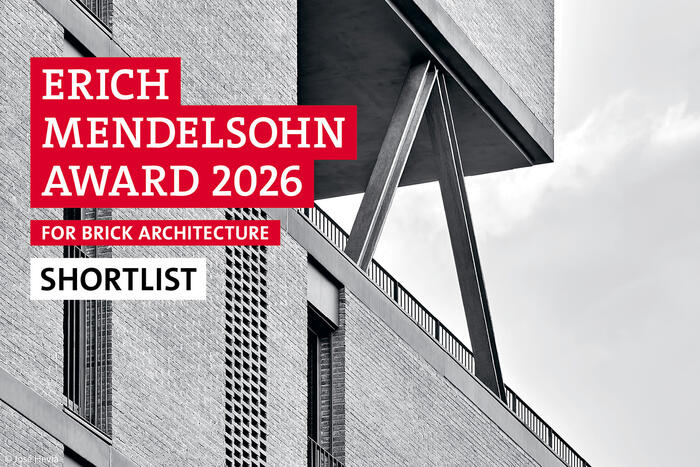
The Winners 2026
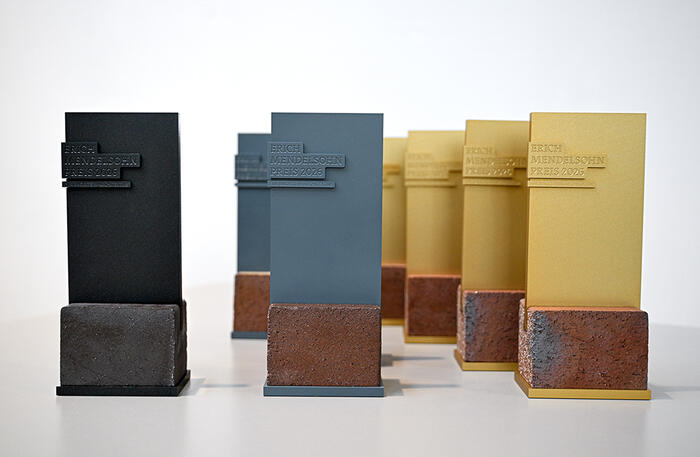
At the award ceremony on 4 September, the winners of the Erich Mendelsohn Award 2026 for Brick Architecture were announced. In reaching its decision this year, the jury placed particular emphasis on...
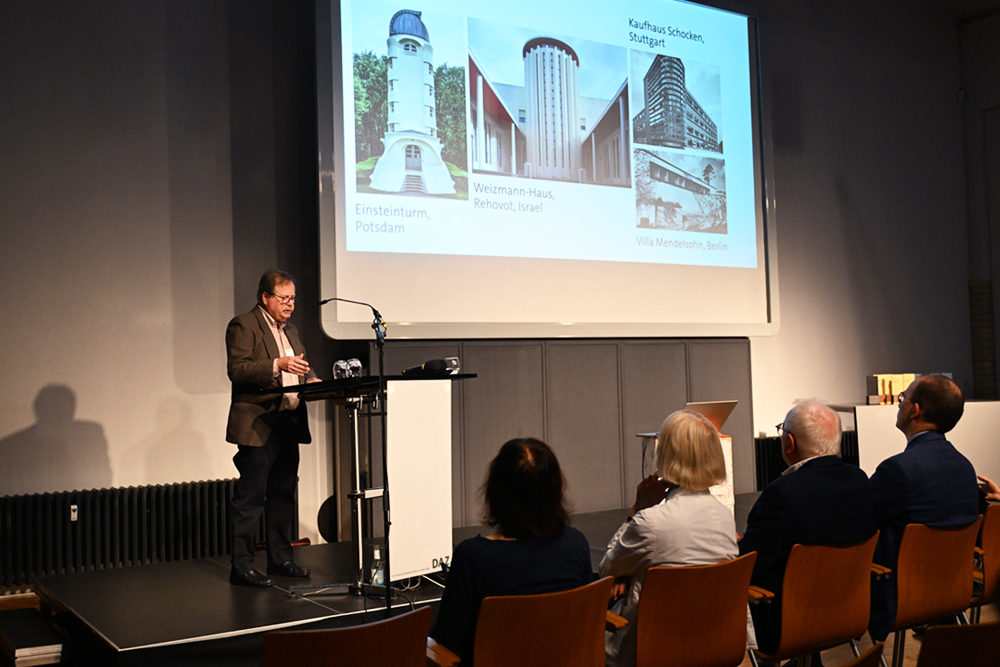
What significance does Erich Mendelsohn hold for contemporary architecture? David Fishman addressed this question in his welcoming remarks at the award ceremony for the 2026 Erich Mendelsohn Prize for Brick Architecture, held in Berlin on September 4. Fishman is currently working on a biography of Erich Mendelsohn. Drawing on Mendelsohn’s life and work, his speech demonstrates why Mendelsohn’s approach to architecture remains relevant today. We are publishing the talk here in its original English version.
Guten Abend. First of all, let me apologize for continuing in English. And secondly, I pledge to keep my remarks on the brief side as I well understand how anxious and excited all of the very deserving finalists must be.
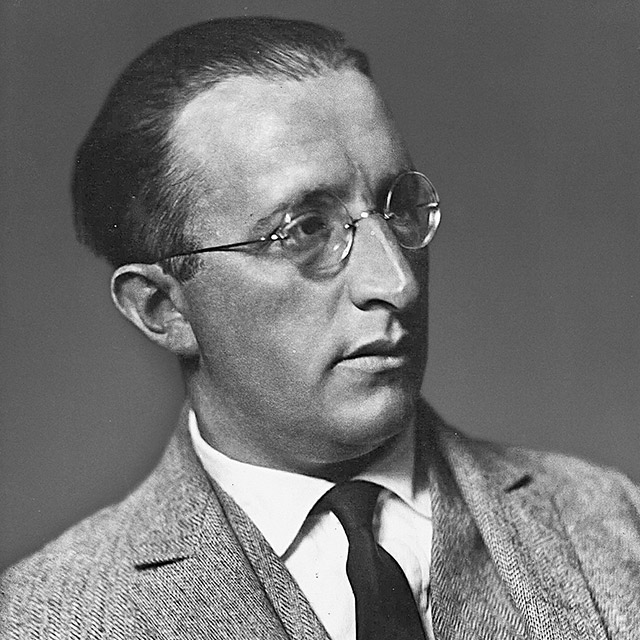
I’m working on a biography of Erich Mendelsohn and about a month ago I spent some time at the Mendelsohn archives located within Richard Meier’s remarkable Getty Center in Los Angeles. And as I was listening to a rare recording of an appearance Mendelsohn made before architecture students at the University of Oklahoma in March 1953, just six months before his death at age 66 to cancer, I thought ahead to today’s ceremony and given that the prizes are named in Mendelsohn’s honor, it seemed like an opportune time to ask why Mendelsohn is relevant today? Why is he important? What can we in the architecture community and beyond learn from his life and work?
To dispense with the obvious: Mendelsohn’s critical and radical reconception of what a building could look like and indeed what materials were appropriate for its construction, is incontrovertibly influential. As simple proof, we need only turn to the work of such designers as Eero Saarinen, Frank Gehry, Zaha Hadid, Santiago Calatrava--and I’d argue even the example of Frank Lloyd Wright’s Guggenheim Museum--to see that we could hardly imagine their efforts as well as that of their countless, less famous acolytes, without Mendelsohn’s example, if not in his built projects, then in his numerous, imaginative sketches or the many schemes that sadly remained on the drawing board.
But his influence goes further than that—much further in fact. I worked at Robert A.M. Stern Architects in New York for three decades—not as a designer but collaborating on books with the late Bob Stern—and the office is accurately known for its commitment to traditional and classical architecture.
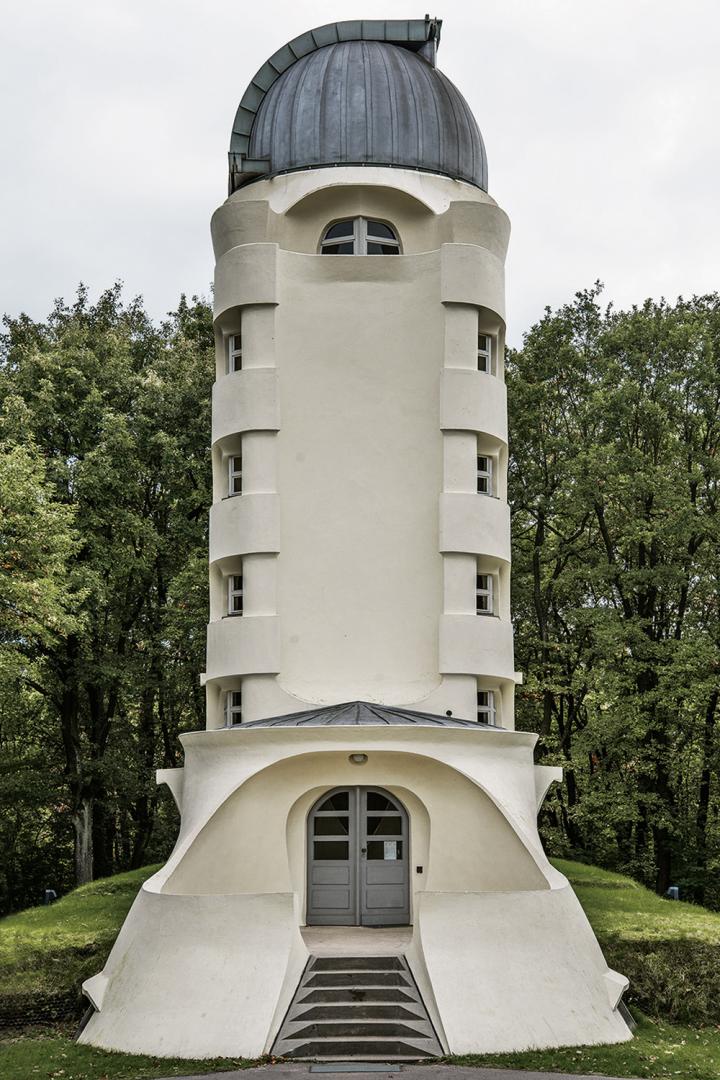
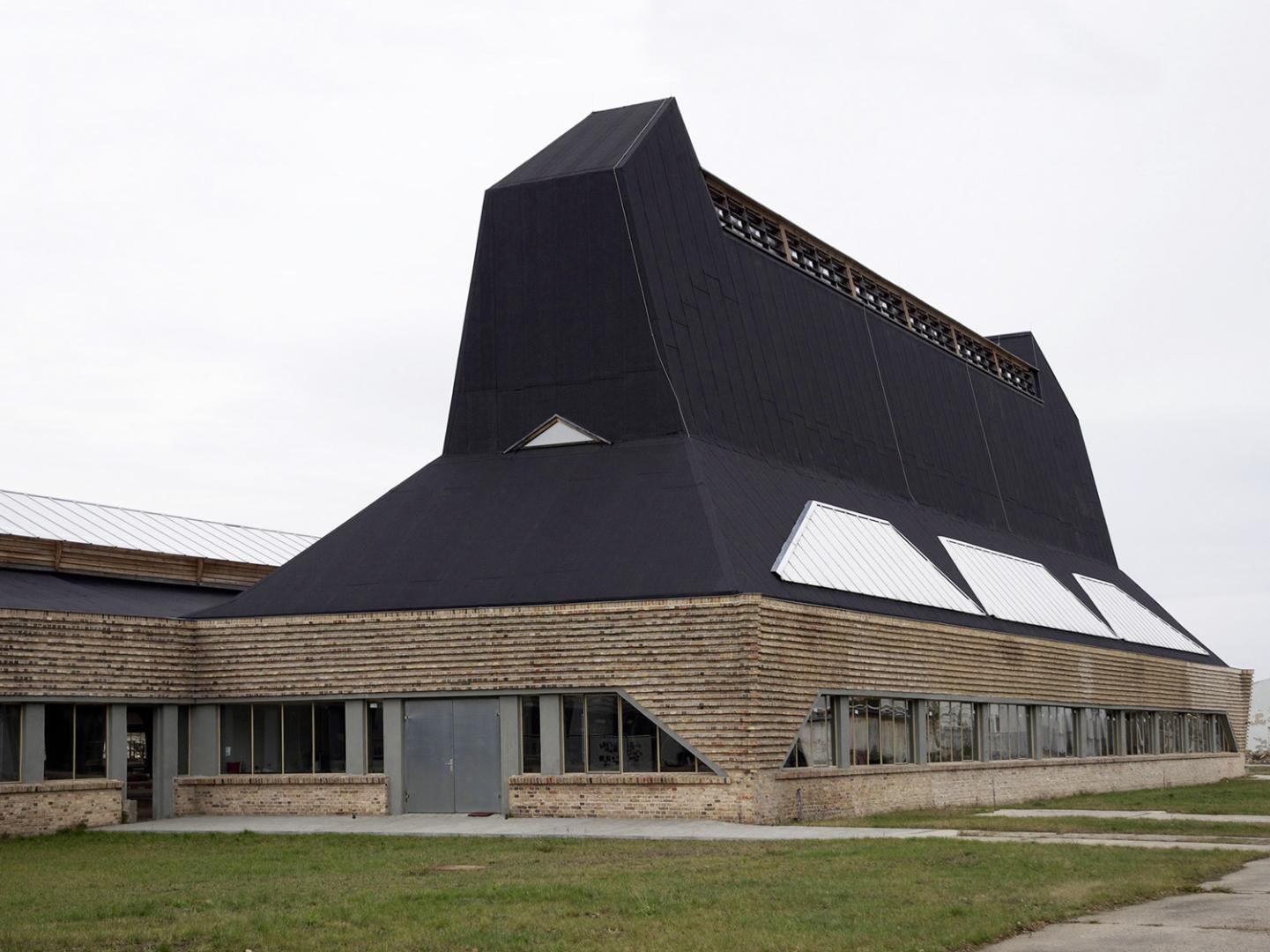
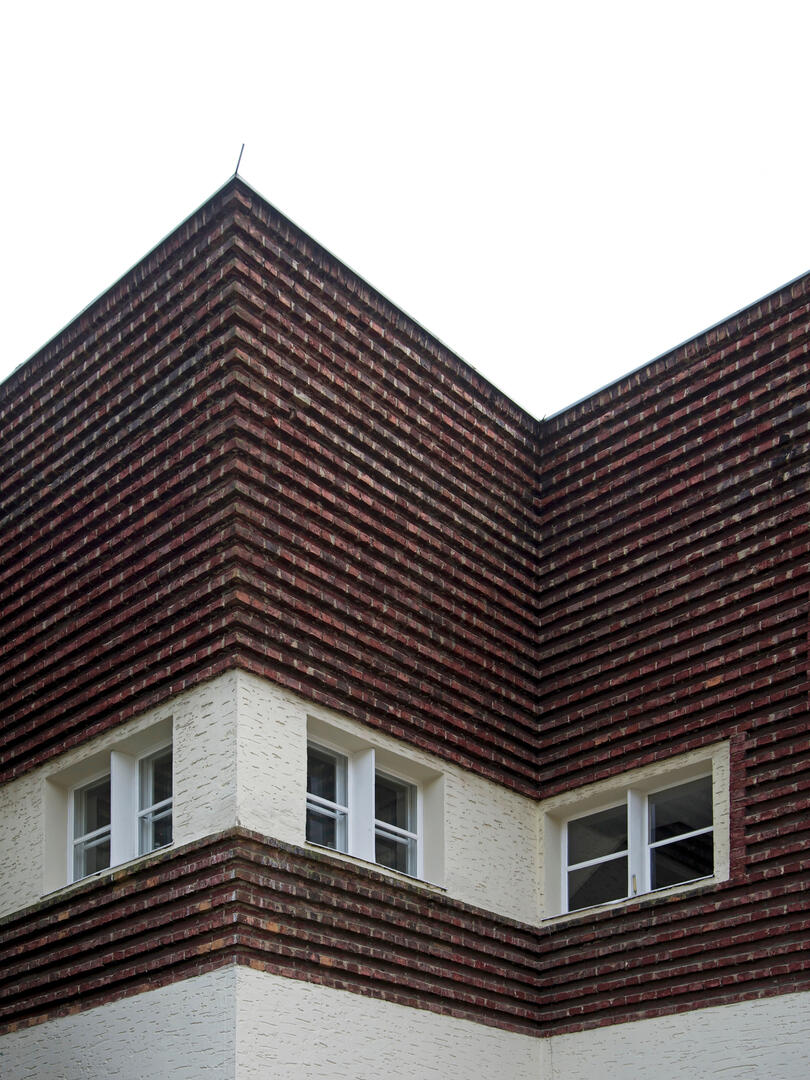
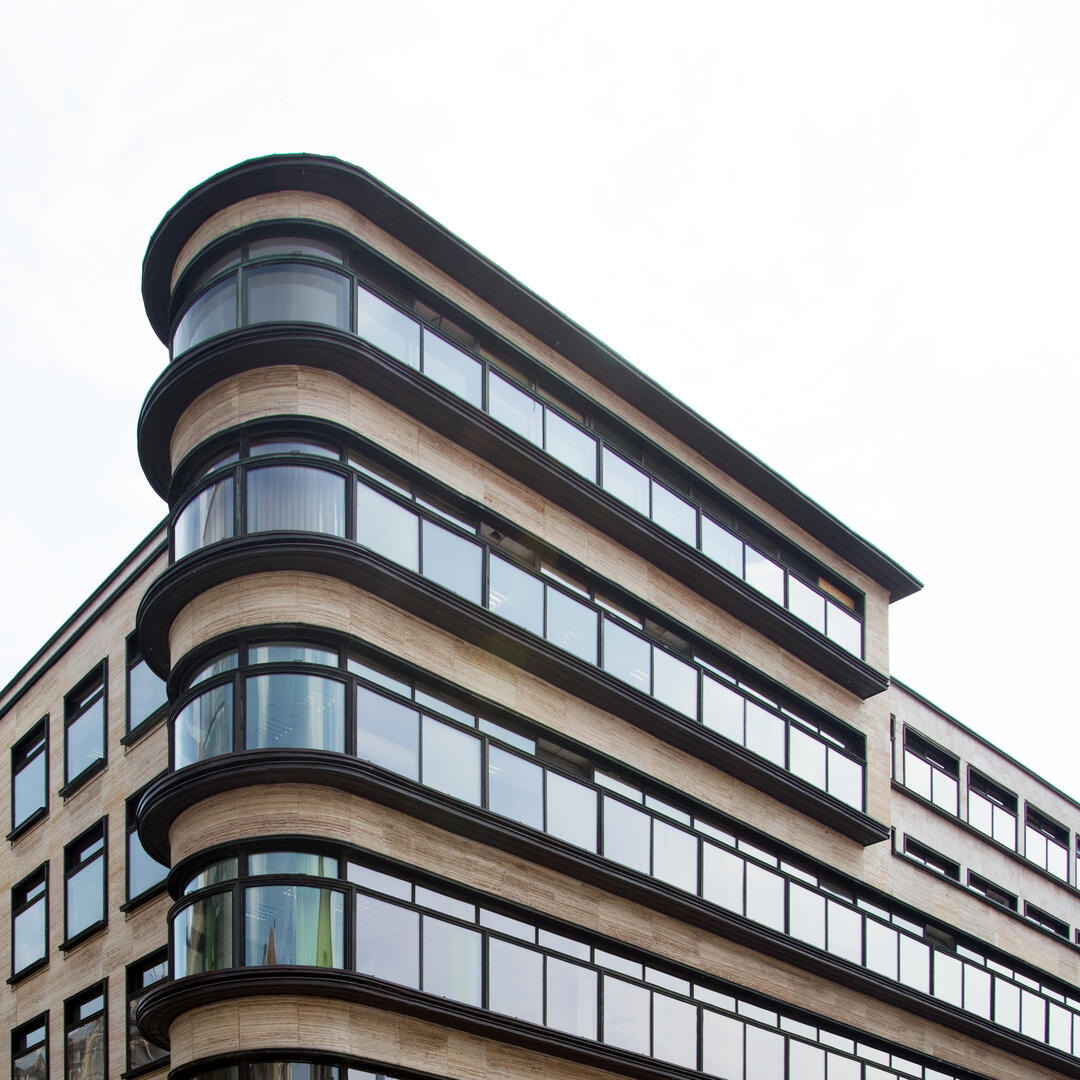
Yet on the various precedent boards populating the office’s war rooms for projects across the United States, Europe, and throughout the world, whether for a private house or multiple dwelling, an institutional building, or even a town planning project, joining the predictable precedent examples by such architects as Schinkel, or Sir Edwin Lutyens, or the American firm of McKim, Mead & White, there was also, invariably, a Mendelsohn building, or a Mendelsohn detail, or one of his atmospheric sketches. It could be the daring, expressionist forms of the Einstein Tower, the voluptuous, curvilinear shapes of the Schocken stores, the sculptural detailing of the stair tower in the Weizmann house in Rehovot, or the innovative use of textured brick—especially relevant tonight—at the hat factory in Luckenwalde.

All testament to the importance, enduring vitality, and continued relevance of his work today.
But beyond establishing his architectural influence, what else can we learn from his life and work.
Mendelsohn had a reputation—well deserved, it seems—for exacting standards and a near-devotion to maintaining his ideals. At that 1953 event at the Oklahoma architecture school, he told students and I quote,
“Many of you who sit here have talents far greater than mine, but few of you will fulfill your potential greatness, because you will quickly learn to compromise.”
And to pick one of many such examples as an illustration, Mendelsohn adamantly insisted on tearing down an entire stone wall at his Villa Schocken in the Rehavia neighborhood of Jerusalem because the placement of a door was off by a few centimeters, much to the bewilderment and dismay of his loyal client of department store fame.
To add to that, Mendelsohn was also, in today’s parlance, something of a control freak. At his own house on Am Rupenhorn, in addition to the building itself, he designed the custom furniture and lighting but Mendelsohn took it a step further--well, more like several kilometers further--when in his zeal, he also designed not only the china and silverware, but the very evening gowns and jewelry his wife Luise would wear while entertaining. Now that’s a level of oversight that I think might give any architect pause.
But as with most things Mendelsohn, while this is emblematic of his nature and character, it’s only part of a more complicated, nuanced story. For example, during the construction of the Einstein Tower, Mendelsohn was forced to dramatically compromise as severe, post-war rationing of cement thwarted the possibility of completing the building in reinforced concrete as originally planned, forcing him to create a hybrid structure of brick – there’s that material again – covered in stucco.
And although critics at the time lambasted the revised version as trickery and fakery and even a betrayal of the ideology behind the design, Mendelsohn unapologetically defended his decision as the only rational thing to do.
The manner in which Mendelsohn faced and creatively responded to adversity also provides valuable lessons for today. Take his visionary sketches, what Mendelsohn referred to as examples of “concentrated reality.” Their small size was born of the harsh circumstances of their creation as they were initially drawn in the trenches at the Russian front during the First World War when tracing paper was extremely scarce so that according to Mendelsohn one inch had to be equal to at least one thousand square feet.
He went so far as to volunteer for nighttime duty so he could have quiet time to conjure up these schemes to fulfill, again in Mendelsohn’s words, his “nocturnal devotions to architecture.” The revolutionary forms of the Einstein Tower date from those trenches. I think the Italian architect and historian Bruno Zevi has rendered the ultimate compliment, writing, that “one of the most infallible ways of becoming an architect is to study [these] sketches.”
And making all of this even more difficult was Mendelsohn’s remarkably poor vision and diseased eyes, leading to the loss of his left eye to cancer in 1921 at age 34 just as his career was beginning its meteoric rise. Suffice it to say, he was back at the office only 3 days after the life-altering surgery.
Mendelsohn also managed to exude and indeed embody a sense of optimism at the least likely of times, a consequence of his fundamental belief in the redemptive power of the creative process, a healthy or should I say very healthy confidence in his own abilities (a trait quite common among architects I think we can all admit), and an unshakable faith—perhaps misguided, but who’s to say—that the future holds an all-consuming promise of a better, more rational world.
With that in mind, let us turn to the dark days of the early Thirties. In March 1933 Mendelsohn received a letter from the Prussian Academy of Art politely explaining that he would no longer be welcome as a member. And on the 31st of that month, a day before the Nazi regime’s official boycott of Jewish professionals and businesses, Mendelsohn, using the ruse of visiting a sick friend, left Berlin with his wife and daughter, telling no one of his plans except for his wife’s mother and his most trusted office colleague.
And one wonders what Mendelsohn was thinking on that overnight train to Amsterdam--and remember he had some twelve hours to reflect, roughly four-and-a-half hours more than if he had boarded the train this week.
He had just celebrated his 46th birthday and was at the top of his game with the largest, most prestigious architectural office in the country, having attained a level of professional success that I dare say everyone here can only dream about.
Upon arriving in Amsterdam, Mendelsohn ran into an acquaintance, a well-known contractor, who asked him, “What are you doing here?” And Mendelsohn, with a great flourish, reached into his jacket pocket and pulled out his extra-soft 6B sketching pencil and declared,
“You see, I’ve moved my office.”
On that most awful day, an uncannily resilient Mendelsohn retained his sense of humor, his belief in himself, and an almost unimaginable optimism.
It is a powerful lesson for all of us – I hope you can agree.
And in closing I want to share a warning Mendelsohn delivered to architecture students in 1948 – one that perhaps we can take with a grain of salt. Acknowledging this very demanding profession, he advised that:
“As your days are long, your nights should be short.”
But I think Mendelsohn would approve of an exception tonight. So let’s hope all the talented finalists and winners can enjoy a long, and well-deserved, night of celebration. Vielen Dank.